
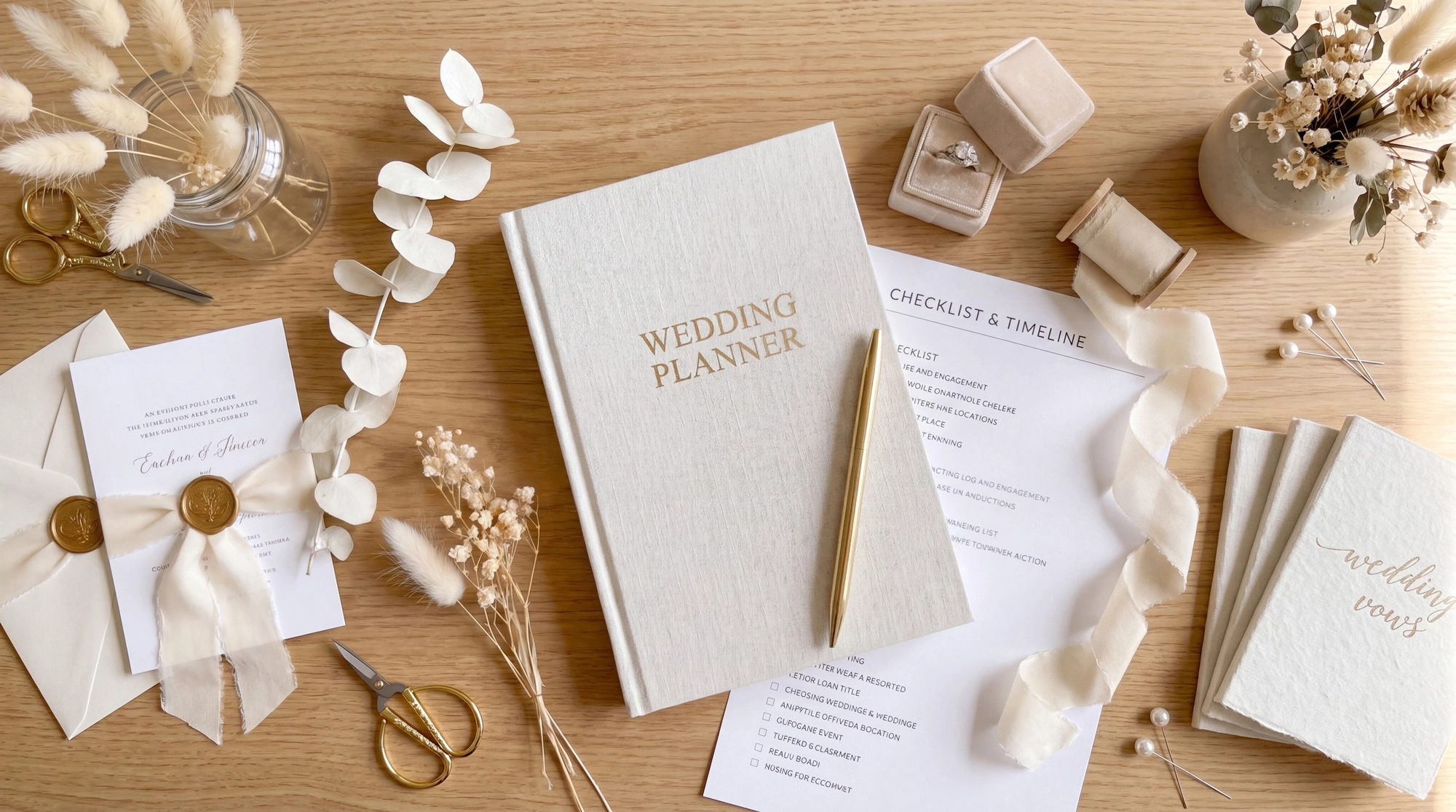
What to Book First (and What Can Wait) When Planning Your Wedding
Planning a wedding is one of the most exciting things you will ever do - and one of the most overwhelming. Once the champagne has been popped and the ring is on your finger, the reality of coordinating dozens of suppliers, venues, and decisions quickly sets in. The good news? There is a logical order to all of it.
This guide walks you through how to build a wedding timeline that works, including the order in which to book your suppliers so that every decision flows naturally from the last.
How Far in Advance Should You Start Planning a Wedding?
Most couples begin planning 12 to 18 months before their wedding date, though popular venues and dates can book up even earlier. If you have a specific venue or season in mind, starting 18 to 24 months ahead gives you the most choice and the most time to make decisions without pressure.
That said, it is absolutely possible to plan a beautiful wedding in six months or less - it simply requires moving quickly on the big decisions and being flexible on others.
The Right Order to Book Your Wedding Suppliers.
1. Set Your Budget and Guest List (Before Anything Else)
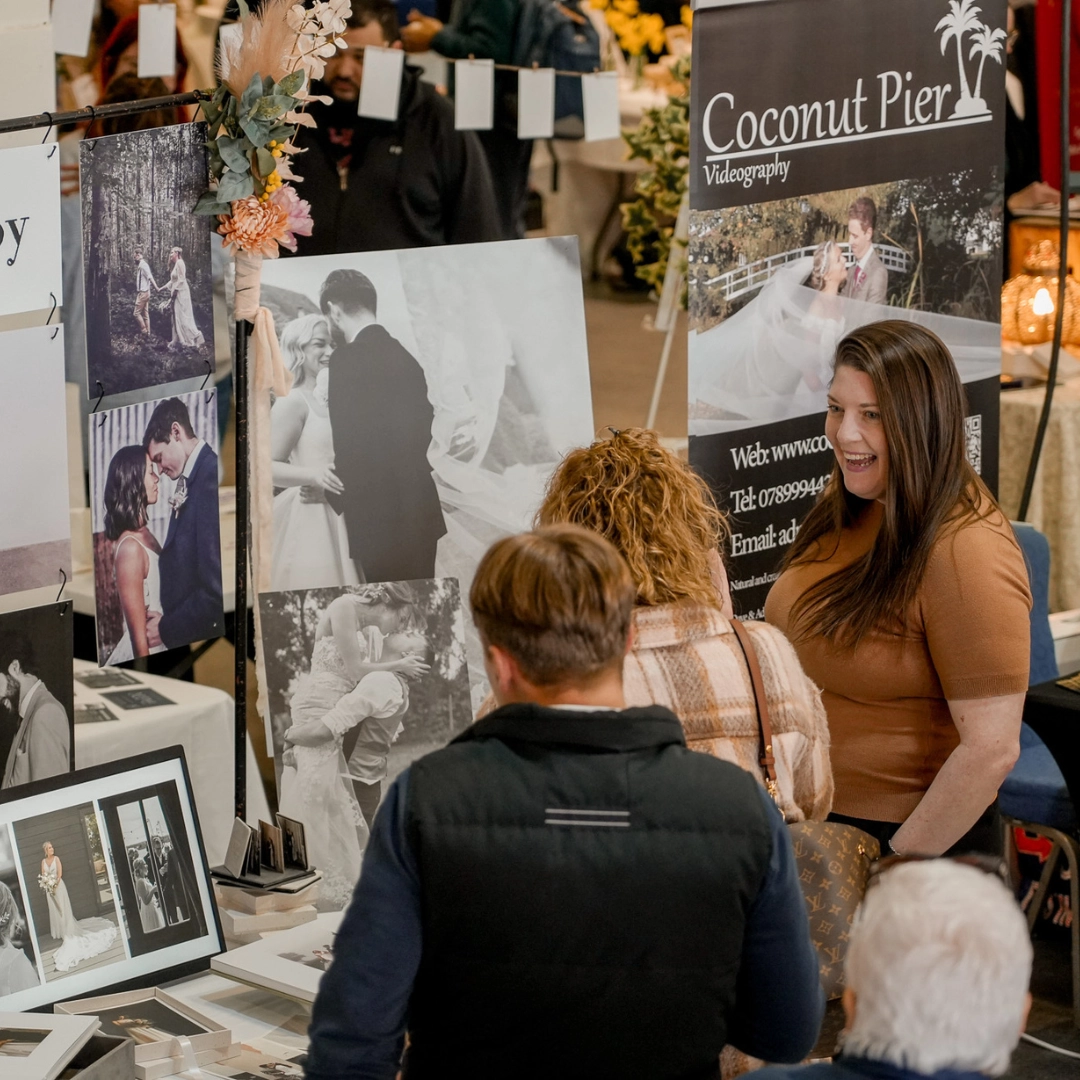
Before you book a single supplier, you need two numbers: how much you are spending and how many people you are inviting. Everything else - the venue, the catering, the photography - flows from these two figures. Trying to skip this step leads to confusion, heartbreak, and overspending.
Get aligned with your partner (and any family members contributing financially) before you start visiting venues or falling in love with suppliers you cannot afford.
2. Book Your Venue (12 to 18 Months Before Your Wedding)
Your venue sets the date, and your date sets everything else. This is why the venue is always the first booking - not the dress, not the photographer, not the flowers.
When choosing a venue, consider:
• Capacity (does it comfortably hold your guest list?)
• Location and accessibility for guests
• Whether they have preferred or exclusive supplier lists
• What is included in the hire fee (catering, bar, furniture, coordination)
• The atmosphere and style - does it feel right for you as a couple?
Visiting venues at wedding shows is one of the most efficient ways to compare options, ask real questions, and get a genuine feel for the team behind the business.

3. Book Your Photographer and Videographer (Around 12 Months Before)
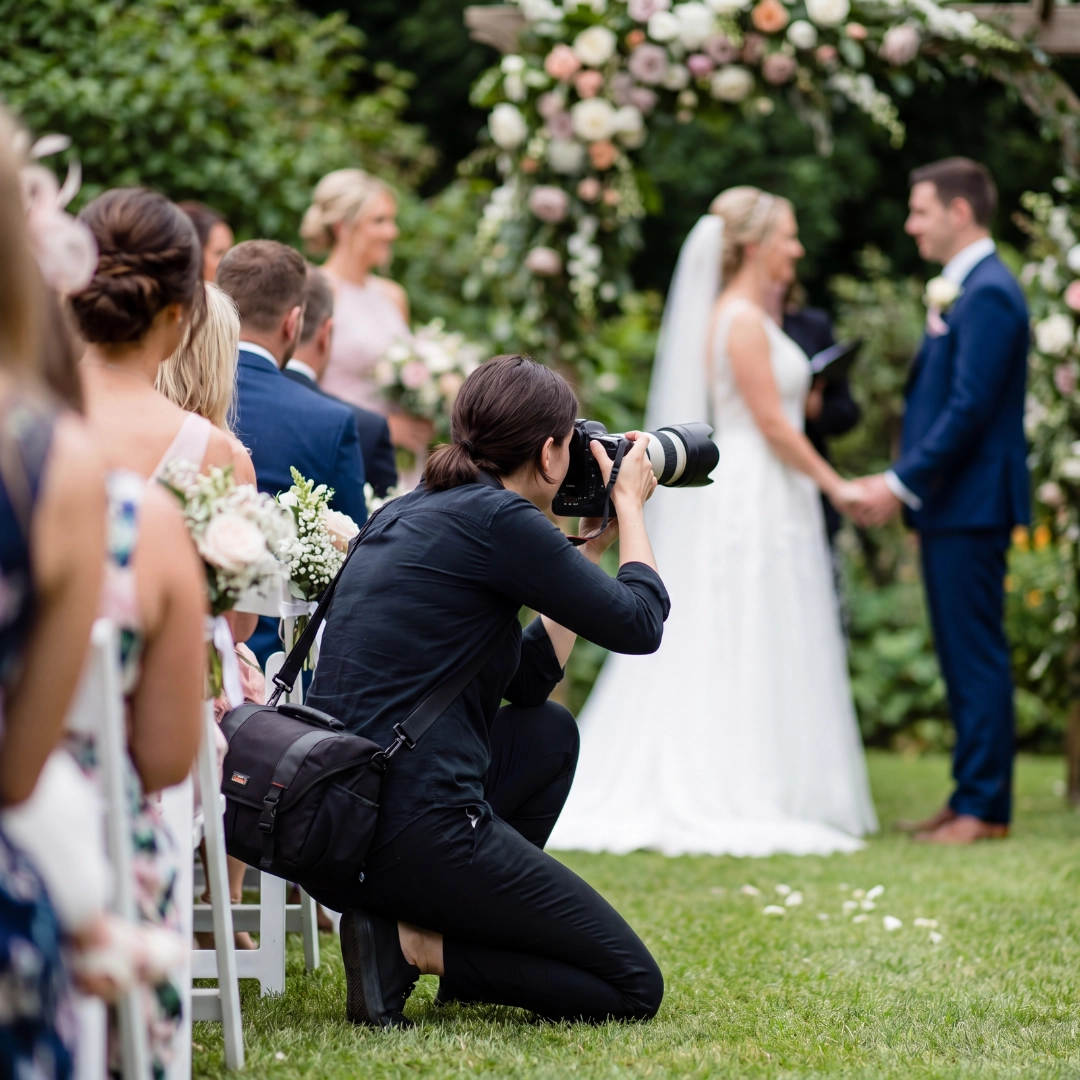
Good photographers book up fast - often over a year in advance. Once your date is confirmed, securing your photography and videography is the next priority. These are the suppliers who capture everything you cannot replay, so this is not the place to cut corners or leave it until later.
Look at full galleries, not just highlight shots. Ask about their approach on the day and how they handle quieter moments or difficult lighting conditions.
4. Book Your Catering and Bar (If Not Included in the Venue)
If your venue does not provide in-house catering, this needs to go on the list early. Catering companies often have limited availability on popular dates, and working out your food and drink package will also help you refine your overall budget significantly.
Ask about tasting sessions, dietary options, service style (seated, buffet, canapés), and what is included in the quote.
5. Book Your Wedding Entertainment (10 to 12 Months Before)
Live bands, string quartets, DJs, and photobooths all get booked well in advance. Entertainment is one of the most memorable parts of a wedding for your guests, so give it the same priority you would any other major supplier.
Think about the different moments in the day: ceremony music, drinks reception, wedding breakfast background, and evening entertainment are all separate considerations.
6. Book Your Florist (9 to 12 Months Before)
Florists often take on a limited number of weddings per weekend to ensure quality. The earlier you meet with potential florists, the more time they have to understand your vision, source seasonal flowers, and create something genuinely personal.
Come to consultations with a sense of your colour palette and style - even just a few saved images helps enormously.
7. Book Your Wedding Dress and Suits (9 to 12 Months Before)
Wedding dresses typically take four to six months to order and deliver, and then require at least two to three fittings before the big day. Starting your dress search around a year ahead gives you time to explore properly, rather than making a rushed decision under pressure.
Suits and morning wear are quicker to turn around but should still be ordered with at least three to four months to spare.
8. Book Your Hair and Makeup (6 to 9 Months Before)
Wedding hair and makeup artists who are in demand will fill their Saturdays quickly. Once you have your dress, you will have a clearer sense of the look you want, which makes this conversation much easier.
Book a trial in advance - ideally at the same time of day as your wedding morning so you can see how the look holds throughout the day.
9.Finalise Your Stationery, Cake, and Additional Suppliers (Around 6 Months Before)
By this point, your major decisions are made and you can focus on the finer details: stationery, wedding cake, transport, favours, and any finishing touches. These suppliers typically have more flexibility on availability than venues or photographers, but do not leave everything until the last moment.
10. Confirm All Suppliers and Share Your Day Timeline (6 to 8 Weeks Before)
As the date approaches, confirm every booking in writing and send your finalised day timeline to all suppliers. This should include arrival times, key moments, point of contact on the day, and any logistics specific to your venue.
A clear timeline shared across your supplier team is one of the most underrated tools for a smooth wedding day.
A Simple Wedding Planning Timeline at a Glance
18 months before: Set your budget and guest list
12 to 18 months before: Book your venue and confirm your date
12 months before: Book your photographer and videographer
10 to 12 months before: Book catering, entertainment, and florist
9 to 12 months before: Begin wedding dress shopping; book suits
6 to 9 months before: Book hair and makeup; arrange a trial
6 months before: Finalise stationery, cake, transport, and remaining suppliers
6 to 8 weeks before: Confirm all bookings and distribute day timeline
2 weeks before: Final headcount and dietary information to caterers
Wedding week: Enjoy it - the hard work is done
How a Wedding Show Helps You Book the Right Suppliers
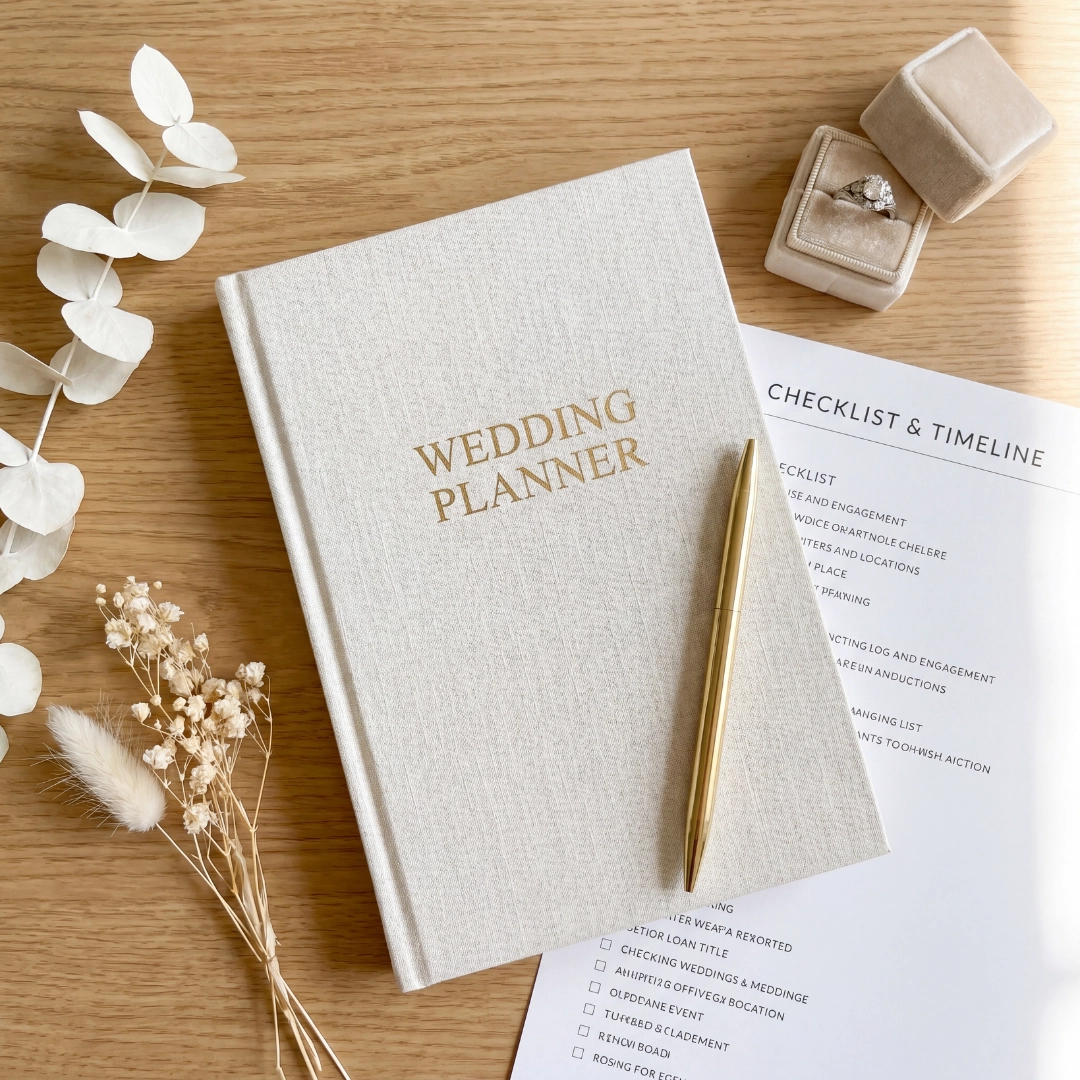
Reading about suppliers is one thing. Meeting them in person - seeing their work, asking questions, and getting a genuine sense of how they communicate - is something else entirely.
At Main Event Wedding Shows, you will find trusted suppliers across every category under one roof: venues, photographers, florists, caterers, cake designers, entertainment, bridal fashion, and more. Our wedding shows are completely free to attend and are hosted at some of the county’s most beautiful wedding venues and large exhibition spaces across Essex, Hertfordshire, Bedfordshire, Suffolk and Surrey.
Whether you are newly engaged and do not know where to start, or deep into planning and looking to fill the final gaps, a wedding show is the most efficient and enjoyable way to move forward.
Pre-register for your nearest show and start ticking things off that list.
Frequently Asked Questions About Wedding Planning Timelines
What is the most important thing to book first?
Your venue. It sets your date, and your date determines when every other supplier is available. Nothing else can be confirmed until you have a venue.
Can you plan a wedding in six months?
Yes, but you need to move quickly on venue, photographer, and catering, as these are the first to fill up. Flexibility on date and day of the week (Friday and Sunday weddings often have more availability) helps considerably.
What if a supplier is already booked on your date?
It is disappointing, but it happens. This is why starting early and having a shortlist of two or three options per supplier category is a sensible approach. Wedding shows are a great way to build that shortlist efficiently.
How do you keep wedding planning on track?
A shared planning document or spreadsheet works well for most couples. Note every supplier name, contact, booking status, deposit paid, and balance due date. Set calendar reminders for deadlines and check in with each other regularly so the planning does not fall entirely to one person.
Do you need a wedding planner?
Not necessarily, but a wedding coordinator - either a dedicated planner or a coordinator provided by your venue - takes enormous pressure off the day itself. If you are managing everything yourselves, having a trusted friend or family member as your point of contact for suppliers on the day is a practical alternative.
Ready to meet your dream suppliers?
Find your nearest Main Event Wedding Show and pre-register for free.